[
[

A research team from Huntsman Cancer Institute at the University of Utah (the U) reports that a pathway-targeted therapy could be an effective treatment for certain melanoma patients and fill an unmet clinical need for patients with advanced disease.
Martin McMahon, Ph.D., senior director of preclinical translation at Huntsman Cancer Institute and professor of dermatology at the U, evaluated the investigational drug daraxonrasib in NRAS-driven melanoma. NRAS-driven melanoma is an aggressive type of skin cancer caused by mutations in the NRAS gene. Daraxonrasib, developed by Revolution Medicines, targets and inhibits RAS, a protein that drives cancer when altered. NRAS is a subtype of RAS that is mutated in roughly a quarter of melanoma cases.
In a phase 3 clinical trial, daraxonrasib as a treatment for metastatic pancreatic cancer doubled patients’ life expectancy.
“The remarkable success of daraxonrasib in the treatment of pancreatic cancer indicates that we are in an era where even the most recalcitrant RAS-driven cancers can be treated,” McMahon says. “Our data strongly support the potential future clinical utility of treating patients with NRAS-driven melanoma with daraxonrasib.”
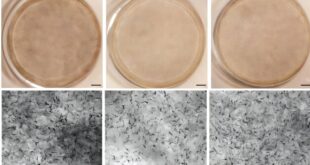
McMahon and his team evaluated the effectiveness of the RAS inhibitor in numerous preclinical models, including melanoma samples from patients. The results of the study have been published in Cancer Research.
“All our NRAS-driven models were very responsive to this RAS inhibitor. It’s actually quite rare that we see shrinkage of NRAS-driven tumors,” Mona Foth, Ph.D., research scientist at Huntsman Cancer Institute and first author of the publication, says. “It’s inspiring to think that these results could potentially lead to a new patient therapy that will help them overcome their disease.”
Melanoma is the deadliest form of skin cancer, and the team’s research aims to help fulfill an unmet clinical need for patients with metastatic disease. These patients usually receive immunotherapy, which harnesses a patient’s own immune system, as their first treatment. Immunotherapy has revolutionized metastatic melanoma care. Foth says the treatment is effective in about half of melanoma patients, sometimes with deep and durable responses.
If immunotherapy fails or becomes less effective, physicians switch to targeted therapies as a second-line treatment. Targeted therapies attack oncoproteins and their effectors to kill cancer cells or slow their growth.
“Patients with other mutations like BRAF have access to clinically approved second-line treatments. But patients with NRAS-driven melanoma do not have effective targeted therapies to treat their cancer,” McMahon says. “Daraxonrasib is a targeted therapy that may provide another path for treatment and hope for patients affected by this devastating disease.”
The team also observed that some models became resistant to the drug, as often happens in patients taking pathway-targeted therapies. Resistance to daraxonrasib was tied to mutations in the mitogen-activated protein kinase (MEK1), a protein downstream of RAS, or to loss of expression of cyclophilin A, a chaperone protein required for the inhibitory action of daraxonrasib toward RAS proteins.
“We will need to do more research to find drug combinations, based on a backbone of daraxonrasib, that will increase the depth and durability of responses in melanoma patients,” McMahon says.
McMahon and Foth hope the drug will move into a clinical trial for patients who are either ineligible for immunotherapy or whose immunotherapy did not work.
“This research reflects the power of Huntsman Cancer Institute’s integrated approach, where laboratory discovery, translational research and clinical trials come together to accelerate progress for patients,” Neli Ulrich, Ph.D., MS, executive director of the Comprehensive Cancer Center and chief scientific officer at Huntsman Cancer Institute, Jon and Karen Huntsman Presidential Professor in Cancer Research, and professor of population health sciences at the U, says. “We are proud to contribute to advances that have the potential to change treatment options for our patients with melanoma. This is of utmost importance in Utah and the Mountain West, where melanoma is a very common cancer.”
Publication details
Mona Foth et al, Genetic Drivers of Sensitivity or Resistance to RAS(ON) Multiselective Inhibitors in NRAS -Mutated Melanoma, Cancer Research (2026). DOI: 10.1158/0008-5472.can-26-1313
Journal information:
Cancer Research
Key medical concepts
Clinical categories


Citation:
Cutting-edge drug shows promise for patients with NRAS-driven melanoma (2026, July 18)
retrieved 18 July 2026
from https://medicalxpress.com/news/2026-07-edge-drug-patients-nras-driven.html
This document is subject to copyright. Apart from any fair dealing for the purpose of private study or research, no
part may be reproduced without the written permission. The content is provided for information purposes only.

Khamrah by Lattafa for Men - 3.4 oz EDP Spray
4% Off
Ghost Sweetheart Eau de Toilette | Pineapple, Jasmine and Sandalwood | Perfume for Women 50 ml
50% Off
Marc Jacobs Dot Eau De Parfum for Women, 100 ml
42% Off
Ted Baker W Eau de Toilette for Her, Fig Leaf, White Peony and Violet Top Notes, Pink Orchid and Raspberry Middle Notes, 75ml
£11.77 (£15.69 / 100 ml) (as of 19/07/2026 04:00 GMT +01:00 - More infoProduct prices and availability are accurate as of the date/time indicated and are subject to change. Any price and availability information displayed on [relevant Amazon Site(s), as applicable] at the time of purchase will apply to the purchase of this product.)
Ted Baker Woman Pink Eau de Toilette Spray Floral Green Feminine Fragrance, Opening Notes are Fresh Peach, Bergamot and Tangerine with Warm Musk, Vanilla and Vetiver Base, 100ml
11% Off
Vera Wang Princess Eau de Toilette - 30 ml

Choco Musk 50ml Eau De Parfum for men and women | Chocolate Musk by Jannat Aromas
17% Off
Christina Aguilera Signature Eau de Parfum (50ml) Floral, Fruity & Exotic Scent, Luxury Fragrance for Women
9% Off
Calvin Klein - Eau De Toilette CKIN2U - Calvin Klein Women, Ladies Perfume, Women's Perfume, Calvin Klein Perfume, Calvin Klein One - 150 ml
5% Off
Jimmy Choo Flash Eau de Parfum, 60 ml (Pack of 1)
3% Off
Fruit of the Loom Men's Heavy T Shirt, White, XL UK
28% Off
ATNKE LED Lighted Beanie Cap,USB Rechargeable Running Hat Ultra Bright 4 LED Waterproof Light Winter Warm Gifts for Men and Women/Pink
17% Off
Men's 1/4 Zip Pullover UK Sale Clearance, Fleece Sweatshirt Casual Jumper Long Sleeve T-shirt Top Stand Collar Sweater Plain Pullover Sports Leisure Workwear Quarter Zip Sweater Lightweight Jumpers
£5.88 (as of 12/11/2025 00:52 GMT +01:00 - More infoProduct prices and availability are accurate as of the date/time indicated and are subject to change. Any price and availability information displayed on [relevant Amazon Site(s), as applicable] at the time of purchase will apply to the purchase of this product.)
Crevice Cleaning Brush, Bathroom Tile Groove Gap Cleaning Brush,Premium Crevice Cleaning Tool Aluminum Support with 15° Angle Magic Brush, Thin Brush for Home Kitchen
19% Off
Wireless Earbuds, Bluetooth 5.3 Headphones in Ear with HiFi Stereo Deep Bass, 4 ENC Noise Cancelling Mic Wireless Earphones 40H Playtime, Bluetooth Earbuds Dual LED Display, IP7 Waterproof, USB-C
42% Off