A heart attack is far from an isolated, acute event. The consequences of an attack can cause serious and lasting damage, including heart failure. However, researchers and clinicians have been unable to determine a standardized treatment route to prevent long-term structural changes to the heart after a heart attack.
Now, researchers from Japan report that taking a multipronged approach to treating the damage caused by the initial attack can help reduce the chance of future serious consequences.
The team, based at the University of Osaka, has revealed that simultaneous administration of five therapeutic mRNAs can effectively reduce heart tissue damage and improve heart function in a mouse model of heart attack. The findings are published in Small Science.
After a heart attack, heart failure can develop in response to several different types of damage sustained. These include inflammation, scarring of the heart tissue, the death of individual heart cells and reduced blood flow to the heart tissue.
“The fact that a heart attack causes such complex damage to the heart makes it difficult to treat,” says lead author Kazuma Handa. “Conventional treatments that only target one of these types of damage are typically not effective.”

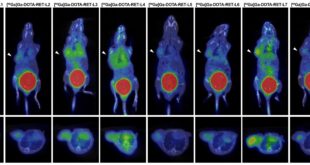
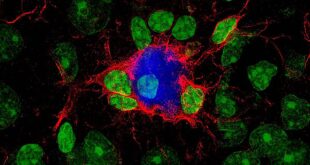
In this study, the researchers took a multifactor approach to treating the consequences of a heart attack. Using polymer-based mRNA carriers known as polyplex nanomicelles, they delivered mRNAs encoding five different proteins important for tissue recovery directly to the hearts of mice with heart failure.
“The results were very positive,” explains Keiji Itaka, senior author. “Delivering the five-mRNA cargo to the damaged heart tissue promoted the formation of new blood vessels, inhibited scar tissue formation, increased tissue repair and decreased the rate of heart cell death.”
These effects had a profound impact on the overall health of the mice. Mice that were treated with the five mRNAs exhibited improved heart contraction, thicker heart walls and better blood movement through the heart, all of which contributed to increased survival.
“Our findings suggest that this specific combination of five factors effectively promotes the repair of heart tissue damaged during a heart attack,” notes Handa. “Taking action early, in addition to promoting repair, also ensures that heart function is not significantly impeded long term.”

This study demonstrates that treating heart tissue with multiple mRNAs involved in repairing the various signs of damage can effectively address the multifaceted nature of heart failure after heart attack. The results could serve as the foundation for a new generation of treatments for heart failure and help establish mRNA-based medicine as a new pillar of regenerative medicine.
More information
Kazuma Handa et al, Nanomicelle‐Based Multi‐mRNA Delivery Promotes Cardiac Repair After Myocardial Infarction, Small Science (2026). DOI: 10.1002/smsc.202500521
Clinical categories


Citation:
Combination of five mRNAs mitigates heart failure after myocardial infarction, research reveals (2026, June 2)
retrieved 2 June 2026
from https://medicalxpress.com/news/2026-06-combination-mrnas-mitigates-heart-failure.html
This document is subject to copyright. Apart from any fair dealing for the purpose of private study or research, no
part may be reproduced without the written permission. The content is provided for information purposes only.

Khamrah by Lattafa for Men - 3.4 oz EDP Spray
4% Off
Ghost Sweetheart Eau de Toilette | Pineapple, Jasmine and Sandalwood | Perfume for Women 50 ml
50% Off
Marc Jacobs Dot Eau De Parfum for Women, 100 ml
42% Off
Ted Baker W Eau de Toilette for Her, Fig Leaf, White Peony and Violet Top Notes, Pink Orchid and Raspberry Middle Notes, 75ml
£11.77 (£15.69 / 100 ml) (as of 02/06/2026 03:25 GMT +01:00 - More infoProduct prices and availability are accurate as of the date/time indicated and are subject to change. Any price and availability information displayed on [relevant Amazon Site(s), as applicable] at the time of purchase will apply to the purchase of this product.)
Ted Baker Woman Pink Eau de Toilette Spray Floral Green Feminine Fragrance, Opening Notes are Fresh Peach, Bergamot and Tangerine with Warm Musk, Vanilla and Vetiver Base, 100ml
11% Off
Vera Wang Princess Eau de Toilette - 30 ml

Choco Musk 50ml Eau De Parfum for men and women | Chocolate Musk by Jannat Aromas
17% Off
Christina Aguilera Signature Eau de Parfum (50ml) Floral, Fruity & Exotic Scent, Luxury Fragrance for Women
9% Off
Calvin Klein - Eau De Toilette CKIN2U - Calvin Klein Women, Ladies Perfume, Women's Perfume, Calvin Klein Perfume, Calvin Klein One - 150 ml
5% Off
Jimmy Choo Flash Eau de Parfum, 60 ml (Pack of 1)
3% Off
Fruit of the Loom Men's Heavy T Shirt, White, XL UK
28% Off
ATNKE LED Lighted Beanie Cap,USB Rechargeable Running Hat Ultra Bright 4 LED Waterproof Light Winter Warm Gifts for Men and Women/Pink
17% Off
Men's 1/4 Zip Pullover UK Sale Clearance, Fleece Sweatshirt Casual Jumper Long Sleeve T-shirt Top Stand Collar Sweater Plain Pullover Sports Leisure Workwear Quarter Zip Sweater Lightweight Jumpers
£5.88 (as of 12/11/2025 00:52 GMT +01:00 - More infoProduct prices and availability are accurate as of the date/time indicated and are subject to change. Any price and availability information displayed on [relevant Amazon Site(s), as applicable] at the time of purchase will apply to the purchase of this product.)
Crevice Cleaning Brush, Bathroom Tile Groove Gap Cleaning Brush,Premium Crevice Cleaning Tool Aluminum Support with 15° Angle Magic Brush, Thin Brush for Home Kitchen
19% Off
Wireless Earbuds, Bluetooth 5.3 Headphones in Ear with HiFi Stereo Deep Bass, 4 ENC Noise Cancelling Mic Wireless Earphones 40H Playtime, Bluetooth Earbuds Dual LED Display, IP7 Waterproof, USB-C
42% Off