 [
[

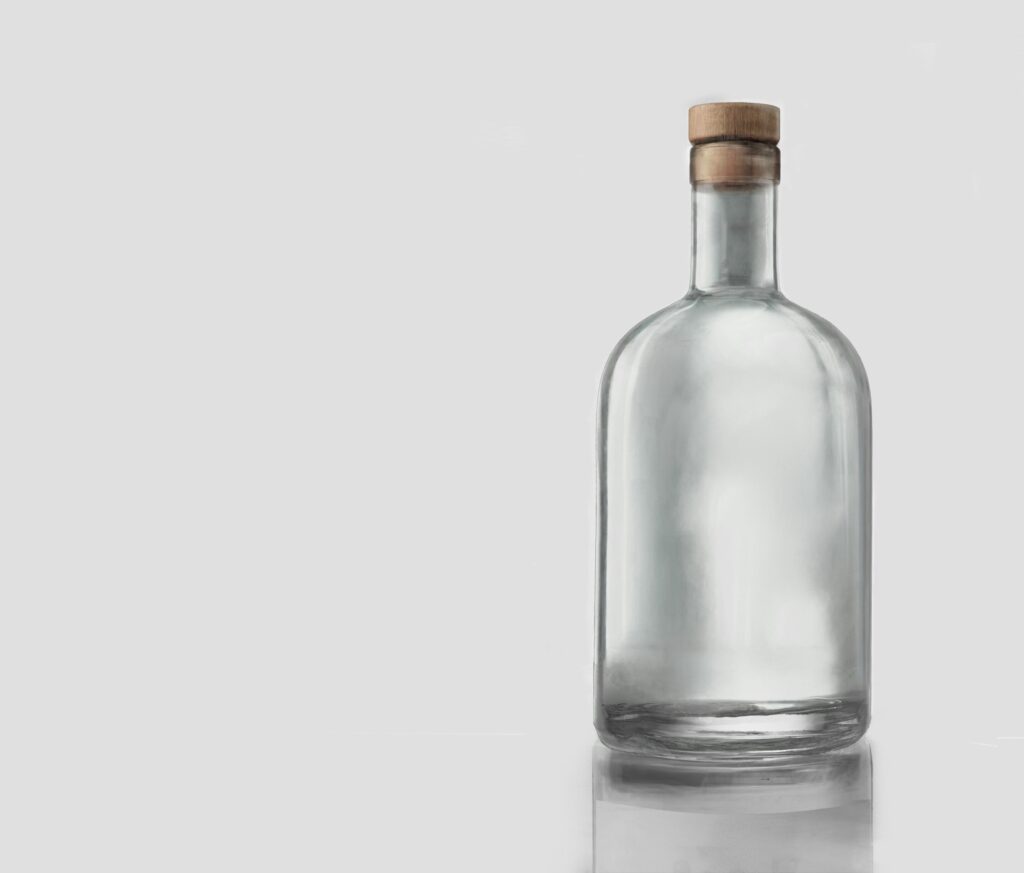
Australians may be drinking contaminated spirits without realizing it, according to new research showing illicit alcohol being sold alongside legal products at bottle shops. A preliminary investigation of licensed retailers in Melbourne revealed that illicit bottles of vodka are being sold—often at a cheaper price point than competitor products—in breach of food safety, liquor and tax regulations.
Chemical testing also showed the bottles contained methanol and plastic contaminants, said the team from the National Drug and Alcohol Research Center (NDARC) at UNSW Sydney and the National Drug Research Institute (NDRI) at Curtin University in Perth.
“Our results are concerning because it shows these products, with the outward appearance of a legal product, are being sold to unsuspecting customers,” said lead author Dr. Michala Kowalski, a Postdoctoral Research Fellow at NDARC. “Ingestion of methanol at sufficient levels can be toxic and lead to symptoms ranging from vomiting and abdominal pain to blindness, coma and death.”
Dr. Kowalski said typical indicators of illicit alcohol products, such as inexpensive labels and bottles, were not definitive in their own right and can be difficult to spot.
“People have very little to differentiate between cheap and potentially contaminated products when looking between bottles on a store shelf,” Dr. Kowalski said. “We have also been told by law enforcement and liquor regulators in several states that these products are increasingly being sold not just in bottle shops but at on-licensed venues like pubs, nightclubs and pubs.”
While the true size and reach of the illicit alcohol market is unclear, the Australian Taxation Office (ATO) recently estimated it to be worth at least $767 million annually. This is the equivalent of 14 million standard bottles of vodka, or more than 10% of all spirits consumed legally in Australia.
“Illicit alcohol can be sold much cheaper than legal products by dodging the excise duty, with higher profit margins,” said senior author and NDRI Research Fellow, Dr. Nic Taylor. “More importantly, this also has repercussions for public health, particularly among vulnerable drinkers, such as people on limited income. There is reason to believe they are more likely to consume illicit alcohol and be at increased risk of harm.”
As part of the study, the team visited four licensed bottle shops in high socioeconomic areas of Melbourne to get a sense of the immediate availability of illicit alcohol.
While this is a small sample, the researchers have since completed larger random audits of bottle shops across several states, which have confirmed the widespread availability of illicit alcohol. They purchased three suspected illicit vodka products and a control product from a premium brand, with all four submitted for chemical analysis.
Each illicit product was the cheapest form of vodka by alcohol content sold by each visited retailer, and all had the appearance of poor-quality labeling and packaging.
For instance, one product had cheap but compliant labeling but without a barcode or resealable cap, while another had the price written in pen on plain paper and contained visible brown flakes in the bottle.
Chemical testing revealed that two products also contained methanol and plastic contaminants—likely the result of unsafe distillation, storage or bottling processes—neither of which are intended for human consumption.
“While the methanol detected was not at the concentration required to cause immediate vision loss or death, it was still in breach of Australian food standards, which raises further questions about the conditions they were produced in,” Dr. Kowalski said.
“Ingestion of plasticizers at sufficient levels may also potentially cause negative long-term effects on the liver, kidneys and reproductive system.”
Release of the findings in the Drug and Alcohol Review follows the two-day Illicit Alcohol Roundtable event co-hosted by NDARC and NDRI in February to address growing concerns about the emerging illicit alcohol market.
The event brought together the ATO, Australian Border Force, liquor and gaming authorities, health professionals, law enforcement, and researchers to understand the scale of the issue and discuss potential courses of action.
Publication details
Michala Kowalski et al, Illicit Alcohol in Victorian Off‐Licence Retailers: A Preliminary Observational Study, Drug and Alcohol Review (2026). DOI: 10.1111/dar.70167
Journal information:
Drug and Alcohol Review
Key medical concepts
Provided by
National Drug and Alcohol Research Centre


Citation:
Contaminated illicit alcohol being sold to unsuspecting customers at licensed bottle shops (2026, May 24)
retrieved 24 May 2026
from https://medicalxpress.com/news/2026-05-contaminated-illicit-alcohol-sold-unsuspecting.html
This document is subject to copyright. Apart from any fair dealing for the purpose of private study or research, no
part may be reproduced without the written permission. The content is provided for information purposes only.

Khamrah by Lattafa for Men - 3.4 oz EDP Spray
4% Off
Ghost Sweetheart Eau de Toilette | Pineapple, Jasmine and Sandalwood | Perfume for Women 50 ml
50% Off
Marc Jacobs Dot Eau De Parfum for Women, 100 ml
42% Off
Ted Baker W Eau de Toilette for Her, Fig Leaf, White Peony and Violet Top Notes, Pink Orchid and Raspberry Middle Notes, 75ml
£11.77 (£15.69 / 100 ml) (as of 15/07/2026 03:57 GMT +01:00 - More infoProduct prices and availability are accurate as of the date/time indicated and are subject to change. Any price and availability information displayed on [relevant Amazon Site(s), as applicable] at the time of purchase will apply to the purchase of this product.)
Ted Baker Woman Pink Eau de Toilette Spray Floral Green Feminine Fragrance, Opening Notes are Fresh Peach, Bergamot and Tangerine with Warm Musk, Vanilla and Vetiver Base, 100ml
11% Off
Vera Wang Princess Eau de Toilette - 30 ml

Choco Musk 50ml Eau De Parfum for men and women | Chocolate Musk by Jannat Aromas
17% Off
Christina Aguilera Signature Eau de Parfum (50ml) Floral, Fruity & Exotic Scent, Luxury Fragrance for Women
9% Off
Calvin Klein - Eau De Toilette CKIN2U - Calvin Klein Women, Ladies Perfume, Women's Perfume, Calvin Klein Perfume, Calvin Klein One - 150 ml
5% Off
Jimmy Choo Flash Eau de Parfum, 60 ml (Pack of 1)
3% Off
Fruit of the Loom Men's Heavy T Shirt, White, XL UK
28% Off
ATNKE LED Lighted Beanie Cap,USB Rechargeable Running Hat Ultra Bright 4 LED Waterproof Light Winter Warm Gifts for Men and Women/Pink
17% Off
Men's 1/4 Zip Pullover UK Sale Clearance, Fleece Sweatshirt Casual Jumper Long Sleeve T-shirt Top Stand Collar Sweater Plain Pullover Sports Leisure Workwear Quarter Zip Sweater Lightweight Jumpers
£5.88 (as of 12/11/2025 00:52 GMT +01:00 - More infoProduct prices and availability are accurate as of the date/time indicated and are subject to change. Any price and availability information displayed on [relevant Amazon Site(s), as applicable] at the time of purchase will apply to the purchase of this product.)
Crevice Cleaning Brush, Bathroom Tile Groove Gap Cleaning Brush,Premium Crevice Cleaning Tool Aluminum Support with 15° Angle Magic Brush, Thin Brush for Home Kitchen
19% Off
Wireless Earbuds, Bluetooth 5.3 Headphones in Ear with HiFi Stereo Deep Bass, 4 ENC Noise Cancelling Mic Wireless Earphones 40H Playtime, Bluetooth Earbuds Dual LED Display, IP7 Waterproof, USB-C
42% Off