 [
[

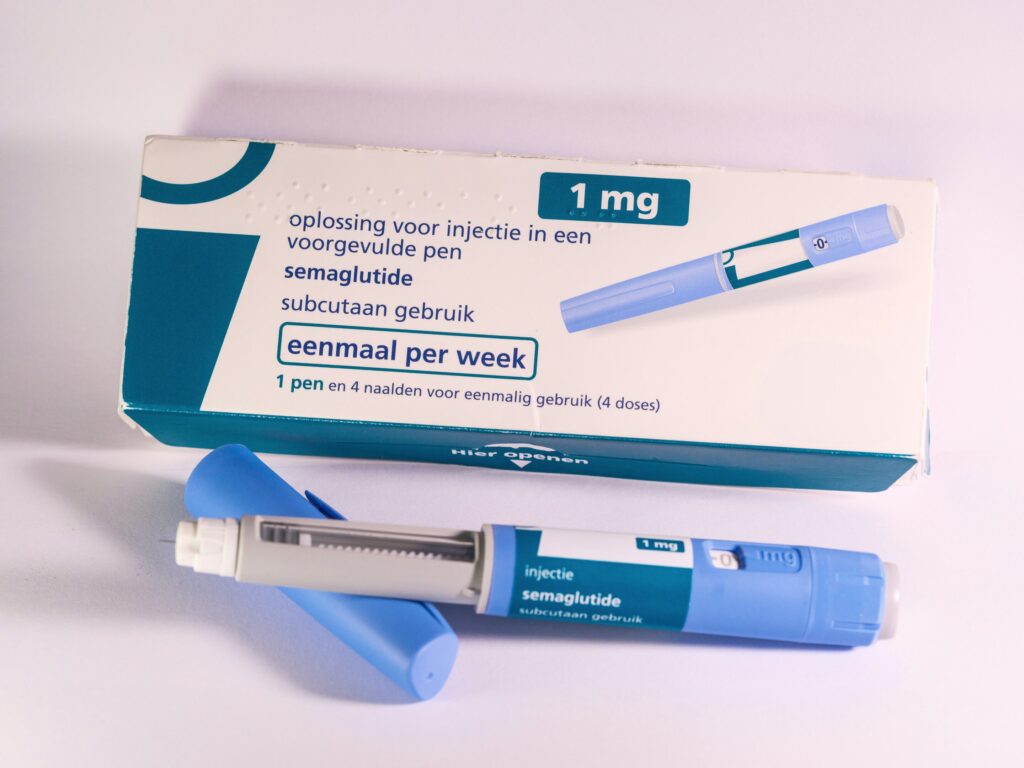
A team of researchers at the National Institutes of Health (NIH) have unveiled new details about the events GLP-1 receptor agonists trigger within neurons, which have been largely unexplored until now. A study in mice identified key intracellular signaling processes that are tied to the weight-loss effects of the GLP-1 drug semaglutide. The work has been published in Nature Metabolism
The findings improve our understanding of how increasingly prevalent GLP-1s may influence human behavior and identify new opportunities to potentially enhance treatment.
The weight-loss benefits of GLP-1s are well documented and scientists generally know the brain regions associated with these effects. However, several questions remain, such as why responses to medication differ between patients and why the effects for most eventually plateau.
“We know much less about the nuts and bolts of what goes on within the neurons that these medications target. By digging into these mechanisms, we’re beginning to answer some of these questions,” said co-corresponding author Andrew Lutas, Ph.D., an investigator at NIH’s National Institute of Diabetes and Digestive and Kidney Diseases (NIDDK).
Experiments led by first author Claire Gao, Ph.D., a postdoctoral fellow at NIH’s National Institute of General Medical Sciences (NIGMS), utilized a fluorescence imaging technique to explore semaglutide-induced intracellular activity in living brain tissue from mice. By selectively inhibiting or removing different intracellular signaling molecules, the researchers were able to identify which ones were most important for weight loss.
Researchers found that the drug’s weight-loss effects hinged on increased levels of the signaling molecule cyclic adenosine monophosphate, or cAMP, in the area postrema—a brain region containing circuits related to appetite. However, these increases varied from neuron to neuron.
“It was not an all or nothing phenomenon. We observed that cAMP responses across cells varied on a continuum,” said co-corresponding author Michael Krashes, Ph.D., a senior investigator at NIDDK.
Some cells sustained their elevated cAMP levels in the presence of semaglutide. Meanwhile, other neurons only experienced temporary increases, possibly because they internalized or degraded their GLP-1 receptors, the authors explained. By inhibiting the naturally occurring enzyme PDE4, which degrades cAMP, with the drug roflumilast, they showed that they could skew neurons toward a sustained response.
The finding suggests that the effects of GLP-1s could be extended, potentially reducing how often these drugs must be administered. Eventually, cAMP modulation may be a way to break past plateaus experienced by many patients. Finding out will require much more work, the authors noted.
The methods only permitted researchers to examine intracellular signaling in brain tissue over a matter of hours. In the future, the researchers aim to apply new techniques to study the intracellular effects of GLP-1s over days and weeks.
Publication details
Semaglutide drives weight loss through cAMP-dependent mechanisms in GLP1R-1 expressing hindbrain neurons, Nature Metabolism (2026). DOI: 10.1038/s42255-026-01534-8
Journal information:
Nature Metabolism


Citation:
Researchers identify avenue for enhanced GLP-1-induced weight loss (2026, May 22)
retrieved 22 May 2026
from https://medicalxpress.com/news/2026-05-avenue-glp-weight-loss.html
This document is subject to copyright. Apart from any fair dealing for the purpose of private study or research, no
part may be reproduced without the written permission. The content is provided for information purposes only.

Khamrah by Lattafa for Men - 3.4 oz EDP Spray
4% Off
Ghost Sweetheart Eau de Toilette | Pineapple, Jasmine and Sandalwood | Perfume for Women 50 ml
50% Off
Marc Jacobs Dot Eau De Parfum for Women, 100 ml
42% Off
Ted Baker W Eau de Toilette for Her, Fig Leaf, White Peony and Violet Top Notes, Pink Orchid and Raspberry Middle Notes, 75ml
£11.77 (£15.69 / 100 ml) (as of 22/05/2026 03:17 GMT +01:00 - More infoProduct prices and availability are accurate as of the date/time indicated and are subject to change. Any price and availability information displayed on [relevant Amazon Site(s), as applicable] at the time of purchase will apply to the purchase of this product.)
Ted Baker Woman Pink Eau de Toilette Spray Floral Green Feminine Fragrance, Opening Notes are Fresh Peach, Bergamot and Tangerine with Warm Musk, Vanilla and Vetiver Base, 100ml
11% Off
Vera Wang Princess Eau de Toilette - 30 ml

Choco Musk 50ml Eau De Parfum for men and women | Chocolate Musk by Jannat Aromas
17% Off
Christina Aguilera Signature Eau de Parfum (50ml) Floral, Fruity & Exotic Scent, Luxury Fragrance for Women
9% Off
Calvin Klein - Eau De Toilette CKIN2U - Calvin Klein Women, Ladies Perfume, Women's Perfume, Calvin Klein Perfume, Calvin Klein One - 150 ml
5% Off
Jimmy Choo Flash Eau de Parfum, 60 ml (Pack of 1)
3% Off
Fruit of the Loom Men's Heavy T Shirt, White, XL UK
28% Off
ATNKE LED Lighted Beanie Cap,USB Rechargeable Running Hat Ultra Bright 4 LED Waterproof Light Winter Warm Gifts for Men and Women/Pink
17% Off
Men's 1/4 Zip Pullover UK Sale Clearance, Fleece Sweatshirt Casual Jumper Long Sleeve T-shirt Top Stand Collar Sweater Plain Pullover Sports Leisure Workwear Quarter Zip Sweater Lightweight Jumpers
£5.88 (as of 12/11/2025 00:52 GMT +01:00 - More infoProduct prices and availability are accurate as of the date/time indicated and are subject to change. Any price and availability information displayed on [relevant Amazon Site(s), as applicable] at the time of purchase will apply to the purchase of this product.)
Crevice Cleaning Brush, Bathroom Tile Groove Gap Cleaning Brush,Premium Crevice Cleaning Tool Aluminum Support with 15° Angle Magic Brush, Thin Brush for Home Kitchen
19% Off
Wireless Earbuds, Bluetooth 5.3 Headphones in Ear with HiFi Stereo Deep Bass, 4 ENC Noise Cancelling Mic Wireless Earphones 40H Playtime, Bluetooth Earbuds Dual LED Display, IP7 Waterproof, USB-C
42% Off