[
[
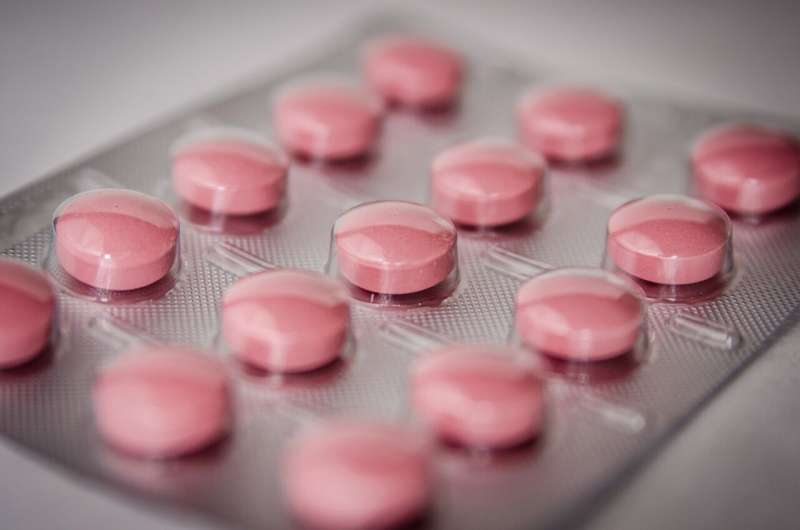
Researchers have identified the best dosage for each ADHD medication using data from thousands of people with the condition. The new study published in The Lancet Psychiatry provides the most comprehensive view of dosage effects for five commonly used medications for ADHD. The study is titled “Pharmacological interventions for ADHD: a systematic review and dose-effect network meta-analysis.”
Why ADHD medication dosage matters
To help patients and clinicians choose the right dosage, the international research team led by Professor Samuele Cortese from the University of Southampton has also developed a free online tool based on the findings.
Attention Deficit Hyperactivity Disorder (ADHD) is one of the most common neurodevelopmental conditions, affecting about 5% of school-age children and 2% to 3% of adults.
Medication is a key part of treatment, and prescriptions have increased substantially in recent years. However, most clinical guidelines provide limited guidance on the most effective dosages.
How the study was conducted
Finding the right dose is important to avoid dosages that are too low to be effective or too high, causing unwanted side effects. To identify this dosage “sweet spot,” the research team analyzed data from 113 clinical trials, including more than 25,000 participants.
They used an advanced method called dose–effects network meta-analysis, which allowed them to estimate how different doses of each medication affect both effectiveness and side effects.
The results show that patterns differ between medications and age groups.
Key findings and clinical implications
Dr. Mikail Nourredine from the University of Lyon, first author of the study, said, “Overall, our findings suggest that clinicians should avoid using doses that are too low to be effective. If symptoms are not well controlled, the dosage may need to be increased.
“We also found no evidence that going beyond the licensed maximum doses improves average effectiveness, and higher doses are usually linked to more side effects. However, our results derive from group averages. Specific individuals with ADHD may benefit from, and tolerate well, unlicensed doses.”
Evidence from other studies shows that a substantial proportion of children and adolescents are prescribed low dosages without appropriate increases. That’s despite timely and adequate dose adjustments being associated with better adherence to treatment.
Professor Cortese, an NIHR Research Professor at the University of Southampton, commented, “Our study and the tool have the potential to support shared decision-making between clinicians, patients, and families when choosing the best dose. It is not only a clinician’s decision—patients and caregivers should be involved.
“The tool helps show what can be expected from each dose so that the patient knows why that particular dose has been chosen. We are continuing research to further personalize these recommendations based on individual patient characteristics.”
Publication details
Mikail Nourredine et al, Pharmacological interventions for ADHD: a systematic review and dose–effect network meta-analysis, The Lancet Psychiatry (2026). DOI: 10.1016/s2215-0366(26)00091-x.
Journal information:
The Lancet Psychiatry
Key medical concepts


Citation:
ADHD medications show dosage sweet spots, with little gain above limits (2026, May 15)
retrieved 15 May 2026
from https://medicalxpress.com/news/2026-05-adhd-medications-dosage-sweet-gain.html
This document is subject to copyright. Apart from any fair dealing for the purpose of private study or research, no
part may be reproduced without the written permission. The content is provided for information purposes only.

Khamrah by Lattafa for Men - 3.4 oz EDP Spray
4% Off
Ghost Sweetheart Eau de Toilette | Pineapple, Jasmine and Sandalwood | Perfume for Women 50 ml
50% Off
Marc Jacobs Dot Eau De Parfum for Women, 100 ml
42% Off
Ted Baker W Eau de Toilette for Her, Fig Leaf, White Peony and Violet Top Notes, Pink Orchid and Raspberry Middle Notes, 75ml
£11.77 (£15.69 / 100 ml) (as of 15/05/2026 03:14 GMT +01:00 - More infoProduct prices and availability are accurate as of the date/time indicated and are subject to change. Any price and availability information displayed on [relevant Amazon Site(s), as applicable] at the time of purchase will apply to the purchase of this product.)
Ted Baker Woman Pink Eau de Toilette Spray Floral Green Feminine Fragrance, Opening Notes are Fresh Peach, Bergamot and Tangerine with Warm Musk, Vanilla and Vetiver Base, 100ml
11% Off
Vera Wang Princess Eau de Toilette - 30 ml

Choco Musk 50ml Eau De Parfum for men and women | Chocolate Musk by Jannat Aromas
17% Off
Christina Aguilera Signature Eau de Parfum (50ml) Floral, Fruity & Exotic Scent, Luxury Fragrance for Women
9% Off
Calvin Klein - Eau De Toilette CKIN2U - Calvin Klein Women, Ladies Perfume, Women's Perfume, Calvin Klein Perfume, Calvin Klein One - 150 ml
5% Off
Jimmy Choo Flash Eau de Parfum, 60 ml (Pack of 1)
3% Off
Fruit of the Loom Men's Heavy T Shirt, White, XL UK
28% Off
ATNKE LED Lighted Beanie Cap,USB Rechargeable Running Hat Ultra Bright 4 LED Waterproof Light Winter Warm Gifts for Men and Women/Pink
17% Off
Men's 1/4 Zip Pullover UK Sale Clearance, Fleece Sweatshirt Casual Jumper Long Sleeve T-shirt Top Stand Collar Sweater Plain Pullover Sports Leisure Workwear Quarter Zip Sweater Lightweight Jumpers
£5.88 (as of 12/11/2025 00:52 GMT +01:00 - More infoProduct prices and availability are accurate as of the date/time indicated and are subject to change. Any price and availability information displayed on [relevant Amazon Site(s), as applicable] at the time of purchase will apply to the purchase of this product.)
Crevice Cleaning Brush, Bathroom Tile Groove Gap Cleaning Brush,Premium Crevice Cleaning Tool Aluminum Support with 15° Angle Magic Brush, Thin Brush for Home Kitchen
19% Off
Wireless Earbuds, Bluetooth 5.3 Headphones in Ear with HiFi Stereo Deep Bass, 4 ENC Noise Cancelling Mic Wireless Earphones 40H Playtime, Bluetooth Earbuds Dual LED Display, IP7 Waterproof, USB-C
42% Off