 [
[
A new international survey led by the International Osteoporosis Foundation reveals that adults living with hypophosphatemic osteomalacia (HO), a rare metabolic bone disorder, face a substantial and often under-recognized disease burden, with wide variation in how the condition is managed worldwide.
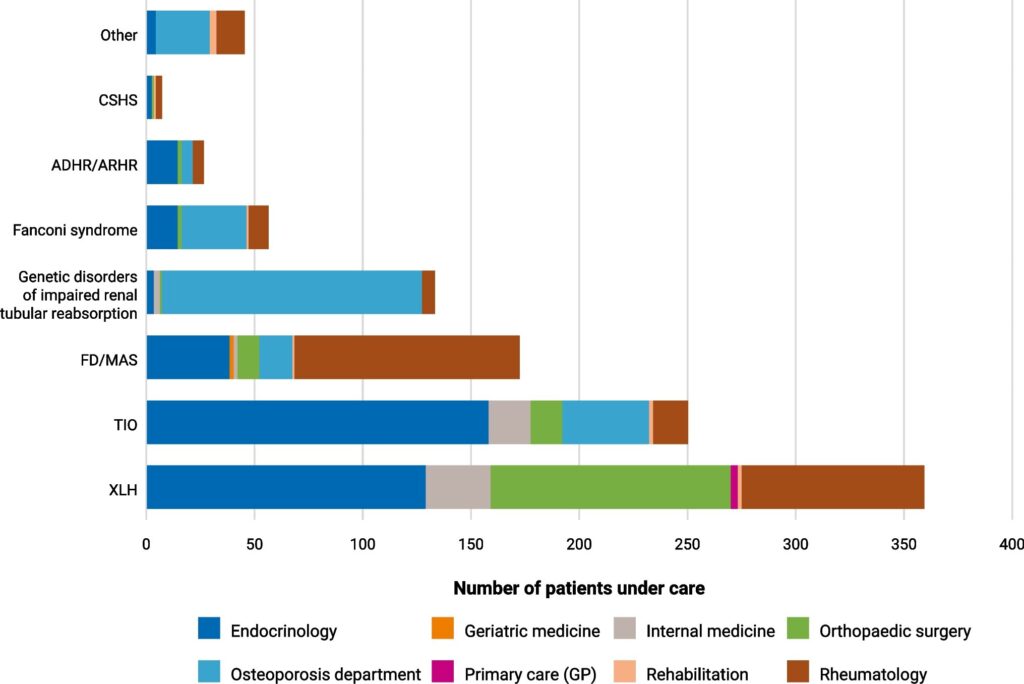
With its findings published in Archives of Osteoporosis, the survey gathered insights from the global IOF network. Responses were received from 40 clinicians across 24 countries who collectively manage more than 1,000 adult patients with HO. The majority of the cases reported were for the more common HO disorders: 35% with X-linked hypophosphatemia (XLH), 24% with tumor-induced osteomalacia (TIO), and 16% with fibrous dysplasia/McCune-Albright syndrome (FD/MAS).
The survey findings show:
- Patients commonly experience debilitating musculoskeletal symptoms, including bone pain, muscle weakness, and mobility limitations, all of which significantly impact quality of life and the ability to work.
- Many patients with XLH, the most common inherited HO disorder, had discontinued phosphate and vitamin D therapies, with a subset initiating burosumab treatment.
- In contrast, phosphate and vitamin D therapies were commonly used in TIO, with many patients being considered for tumor resection and limited burosumab use.
- Use of pain medications, including opiates, was relatively high across all patients.
- Despite available treatments, management approaches varied considerably depending on diagnosis, geography, and access to specialist care.
“Adults with hypophosphatemic osteomalacia experience a considerable and persistent burden of disease that is often underestimated,” said Professor Maria Luisa Brandi, lead author of the study. “The rarity of these HO disorders, combined with non-specific and overlapping symptoms, often leads to delayed or missed diagnosis—indeed, most non-specialist physicians are unlikely to encounter enough cases to develop substantial clinical expertise. In addition, the transition from pediatric to adult care can bring further challenges for patients.”
“Our survey findings highlight the need for improved awareness of these conditions beyond specialist centers, as well as more consistent, multidisciplinary approaches to care to ensure that more patients receive timely diagnosis and optimal treatment.”
The authors call for increased efforts to educate health care professionals, particularly in primary care settings, and to strengthen multidisciplinary care models involving endocrinologists, rheumatologists, orthopedic surgeons, and other specialists. They also highlight the importance of future research to better understand regional differences in care, and to prioritize patient-centered outcomes such as pain management and mobility.
Professor Nicholas Harvey, President of the IOF and co-author of the study, emphasized the broader implications: “The findings of the survey demonstrate the vital role of global collaboration in understanding rare diseases of the musculoskeletal system. By leveraging the IOF network, which includes health care professionals in all world regions, we can identify gaps in care and work towards improving education, diagnosis, and treatment pathways for patients with these rare and challenging-to-treat disorders.”
As awareness grows and treatment options continue to advance, the study provides a crucial foundation for improving outcomes for adults living with hypophosphatemic osteomalacia worldwide.
More information
Maria Luisa Brandi et al, Global perspectives on the burden and management of hypophosphataemic osteomalacia in adult patients: an International Osteoporosis Foundation (IOF) survey, Archives of Osteoporosis (2026). DOI: 10.1007/s11657-026-01692-y
Clinical categories
Citation:
Global survey reveals significant burden and inconsistent management of rare metabolic bone disorder in adults (2026, April 25)
retrieved 25 April 2026
from https://medicalxpress.com/news/2026-04-global-survey-reveals-significant-burden.html
This document is subject to copyright. Apart from any fair dealing for the purpose of private study or research, no
part may be reproduced without the written permission. The content is provided for information purposes only.

Khamrah by Lattafa for Men - 3.4 oz EDP Spray
4% Off
Ghost Sweetheart Eau de Toilette | Pineapple, Jasmine and Sandalwood | Perfume for Women 50 ml
50% Off
Marc Jacobs Dot Eau De Parfum for Women, 100 ml
42% Off
Ted Baker W Eau de Toilette for Her, Fig Leaf, White Peony and Violet Top Notes, Pink Orchid and Raspberry Middle Notes, 75ml
£11.77 (£15.69 / 100 ml) (as of 25/04/2026 03:01 GMT +01:00 - More infoProduct prices and availability are accurate as of the date/time indicated and are subject to change. Any price and availability information displayed on [relevant Amazon Site(s), as applicable] at the time of purchase will apply to the purchase of this product.)
Ted Baker Woman Pink Eau de Toilette Spray Floral Green Feminine Fragrance, Opening Notes are Fresh Peach, Bergamot and Tangerine with Warm Musk, Vanilla and Vetiver Base, 100ml
11% Off
Vera Wang Princess Eau de Toilette - 30 ml

Choco Musk 50ml Eau De Parfum for men and women | Chocolate Musk by Jannat Aromas
17% Off
Christina Aguilera Signature Eau de Parfum (50ml) Floral, Fruity & Exotic Scent, Luxury Fragrance for Women
9% Off
Calvin Klein - Eau De Toilette CKIN2U - Calvin Klein Women, Ladies Perfume, Women's Perfume, Calvin Klein Perfume, Calvin Klein One - 150 ml
5% Off
Jimmy Choo Flash Eau de Parfum, 60 ml (Pack of 1)
3% Off
Fruit of the Loom Men's Heavy T Shirt, White, XL UK
28% Off
ATNKE LED Lighted Beanie Cap,USB Rechargeable Running Hat Ultra Bright 4 LED Waterproof Light Winter Warm Gifts for Men and Women/Pink
17% Off
Men's 1/4 Zip Pullover UK Sale Clearance, Fleece Sweatshirt Casual Jumper Long Sleeve T-shirt Top Stand Collar Sweater Plain Pullover Sports Leisure Workwear Quarter Zip Sweater Lightweight Jumpers
£5.88 (as of 12/11/2025 00:52 GMT +01:00 - More infoProduct prices and availability are accurate as of the date/time indicated and are subject to change. Any price and availability information displayed on [relevant Amazon Site(s), as applicable] at the time of purchase will apply to the purchase of this product.)
Crevice Cleaning Brush, Bathroom Tile Groove Gap Cleaning Brush,Premium Crevice Cleaning Tool Aluminum Support with 15° Angle Magic Brush, Thin Brush for Home Kitchen
19% Off
Wireless Earbuds, Bluetooth 5.3 Headphones in Ear with HiFi Stereo Deep Bass, 4 ENC Noise Cancelling Mic Wireless Earphones 40H Playtime, Bluetooth Earbuds Dual LED Display, IP7 Waterproof, USB-C
42% Off