[
[
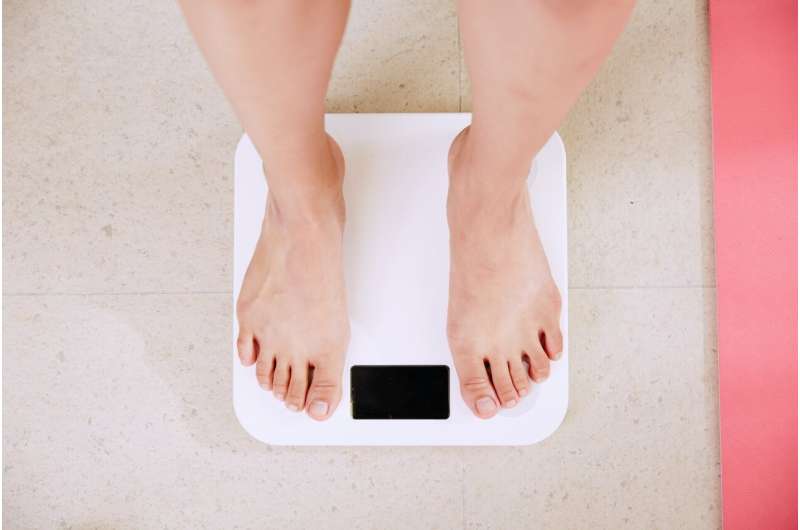
Prediabetes may leave a lasting molecular “footprint” on adipose (fat) tissue which appears to make maintaining weight loss after bariatric surgery more difficult, according to new research being presented at the European Congress on Obesity (ECO) in Istanbul, Turkey (12–15 May).
“Our findings suggest that prediabetes is associated with persistent changes in fat tissue that may limit its ability to fully adapt after weight loss,” said author Camila Milad from Hospital Clinic de Barcelona, Barcelona, Spain. “This could help explain why some patients are more prone to weight regain despite initial success with weight loss after bariatric surgery.”
She added, “We found that in women with severe obesity and prediabetes, fat tissue does not fully recover its normal function after weight loss. This means it may struggle to process fats efficiently, which could make it harder to maintain the benefits of bariatric surgery over time.”
Bariatric surgery induces marked weight loss and metabolic improvement in people with severe obesity, including remission of prediabetes in many cases. However, long-term outcomes remain variable, with a significant proportion of patients experiencing weight regain or metabolic relapse.
The extent to which prediabetes may induce persistent molecular changes in adipose tissue, potentially influencing the response to surgery, remains poorly understood.
To find out more, Spanish researchers set out to investigate whether prediabetes is associated with sustained changes in gene expression in fat tissue after bariatric surgery, and whether these changes relate to weight outcomes in 78 women with severe obesity (25–65 years; BMI 39–49 kg/m²) attending a specialized obesity unit at Hospital Clinic de Barcelona, Spain.
Participants were classified into two groups based on fasting glucose and HbA1c levels. The group with normal glucose tolerance (43 women) had fasting glucose below 100 mg/dL and HbA1c below 5.7%. The prediabetes group (35 women) had fasting glucose between 100 and 125 mg/dL and/or HbA1c between 5.7% and 6.4%.
Researchers analyzed gene expression in subcutaneous fat tissue samples collected at the time of surgery and one year later, using microarray technology, in a representative subgroup of 11 women from each group.
They also measured participants’ height, weight, and body mass index (BMI), along with fasting glucose, insulin responses and lipid profile (including cholesterol and triglycerides). In addition, body composition (fat and lean mass) was assessed by DEXA, and liver fat was evaluated using ultrasound. A mixed-meal test was performed to examine the metabolic response to food. Weight changes were tracked for up to three years.
An epigenetic memory of prediabetes
The researchers found that before surgery, women with prediabetes had higher glucose and insulin responses during the mixed-meal test, a higher prevalence of fatty liver (hepatic steatosis; 88% vs. 57%), and a less favorable lipid profile, including higher cholesterol and triglyceride levels, compared with women with normal glucose tolerance.
One year after surgery, glycemic and metabolic parameters had improved markedly in both groups. Fasting and postprandial glucose (level of sugar in the blood after a meal) and insulin levels were no longer different between groups, and short-term weight loss was similar, with women in the prediabetes group losing 32.3% of body weight compared with 35.5% in the control group.
Cholesterol and triglyceride levels also fell after surgery, although total and non-HDL (non-high-density lipoprotein or “the good”) cholesterol remained slightly higher in the prediabetes group.
However, despite this clinical improvement, one year after surgery, gene activity in fat tissue remained clearly distinct between groups. In women with prediabetes, genes involved in lipid metabolism remained less active, including key regulators such as SREBF1 and FADS2, suggesting a persistent impairment in the ability of adipose tissue to handle fats efficiently after surgery.
Importantly, this blunted lipid metabolism was accompanied by higher cholesterol levels and greater weight regain over three years of follow-up in women with prediabetes compared with women with normal glucose tolerance. On average, women with prediabetes regained around 5–6 kg between years 1 and 3, while weight regain in the control group was minimal (average 1–2 kg).
In contrast, women with normal glucose tolerance showed activation of genes involved in lipid metabolism and cholesterol handling, suggesting that their fat tissue was better able to handle fats after weight loss.
“Our study shows that prediabetes is associated with persistent changes in fat tissue that are not fully reversed by bariatric surgery,” said lead author Dr. Ana de Hollanda from Hospital Clínic de Barcelona.
“These alterations in lipid metabolism may reduce the ability of adipose tissue to adapt after weight loss, potentially contributing to weight regain over time. Importantly, these changes may not be permanent, and could potentially be modified through targeted interventions such as diet, pharmacological treatments or lifestyle strategies aimed at improving adipose tissue function.”
She continued, “Our next steps are to investigate whether these molecular alterations can be reversed, and to identify strategies that improve adipose tissue function and its ability to adapt after weight loss.
“We also aim to determine whether similar patterns of adipose tissue dysfunction are present in other patients, beyond those with prediabetes, and whether they could be used to identify individuals at higher risk of weight regain.”
According to the authors, the study has some limitations. As an observational study, it does not establish a causal relationship between these molecular changes and weight regain. Other factors, including behavioral aspects such as diet are also likely to contribute.
Additionally, the study included only women, predominantly of European origin, which may limit the generalizability of the findings. They say that larger and more diverse studies are needed to confirm these results.
Provided by
European Association for the Study of Obesity
Citation:
Fat cells’ ‘memory’ of prediabetes could make maintaining weight loss after bariatric surgery more difficult (2026, April 21)
retrieved 21 April 2026
from https://medicalxpress.com/news/2026-04-fat-cells-memory-prediabetes-weight.html
This document is subject to copyright. Apart from any fair dealing for the purpose of private study or research, no
part may be reproduced without the written permission. The content is provided for information purposes only.

Khamrah by Lattafa for Men - 3.4 oz EDP Spray
4% Off
Ghost Sweetheart Eau de Toilette | Pineapple, Jasmine and Sandalwood | Perfume for Women 50 ml
50% Off
Marc Jacobs Dot Eau De Parfum for Women, 100 ml
42% Off
Ted Baker W Eau de Toilette for Her, Fig Leaf, White Peony and Violet Top Notes, Pink Orchid and Raspberry Middle Notes, 75ml
£11.77 (£15.69 / 100 ml) (as of 21/04/2026 02:59 GMT +01:00 - More infoProduct prices and availability are accurate as of the date/time indicated and are subject to change. Any price and availability information displayed on [relevant Amazon Site(s), as applicable] at the time of purchase will apply to the purchase of this product.)
Ted Baker Woman Pink Eau de Toilette Spray Floral Green Feminine Fragrance, Opening Notes are Fresh Peach, Bergamot and Tangerine with Warm Musk, Vanilla and Vetiver Base, 100ml
11% Off
Vera Wang Princess Eau de Toilette - 30 ml

Choco Musk 50ml Eau De Parfum for men and women | Chocolate Musk by Jannat Aromas
17% Off
Christina Aguilera Signature Eau de Parfum (50ml) Floral, Fruity & Exotic Scent, Luxury Fragrance for Women
9% Off
Calvin Klein - Eau De Toilette CKIN2U - Calvin Klein Women, Ladies Perfume, Women's Perfume, Calvin Klein Perfume, Calvin Klein One - 150 ml
5% Off
Jimmy Choo Flash Eau de Parfum, 60 ml (Pack of 1)
3% Off
Fruit of the Loom Men's Heavy T Shirt, White, XL UK
28% Off
ATNKE LED Lighted Beanie Cap,USB Rechargeable Running Hat Ultra Bright 4 LED Waterproof Light Winter Warm Gifts for Men and Women/Pink
17% Off
Men's 1/4 Zip Pullover UK Sale Clearance, Fleece Sweatshirt Casual Jumper Long Sleeve T-shirt Top Stand Collar Sweater Plain Pullover Sports Leisure Workwear Quarter Zip Sweater Lightweight Jumpers
£5.88 (as of 12/11/2025 00:52 GMT +01:00 - More infoProduct prices and availability are accurate as of the date/time indicated and are subject to change. Any price and availability information displayed on [relevant Amazon Site(s), as applicable] at the time of purchase will apply to the purchase of this product.)
Crevice Cleaning Brush, Bathroom Tile Groove Gap Cleaning Brush,Premium Crevice Cleaning Tool Aluminum Support with 15° Angle Magic Brush, Thin Brush for Home Kitchen
19% Off
Wireless Earbuds, Bluetooth 5.3 Headphones in Ear with HiFi Stereo Deep Bass, 4 ENC Noise Cancelling Mic Wireless Earphones 40H Playtime, Bluetooth Earbuds Dual LED Display, IP7 Waterproof, USB-C
42% Off