 [


Older people with autism are more likely to develop symptoms of Parkinson’s disease, a new study says.
About 3.8% of people 45 and older with autism wind up with tremors and movement problems linked to Parkinson’s disease, compared to under 1.6% of people without either autism or intellectual disability, researchers reported Oct. 24 in the journal Autism.
These findings are based on analysis of nearly 57 million Americans 45 and older who filed Medicare or Medicaid claims from 2017 to 2019.
“Utilizing the largest sources of health care for middle- and older-aged Americans, this study demonstrates an increased propensity for autistic adults to experience parkinsonism (i.e., the motor symptoms associated with Parkinson’s disease), joining a growing body of research,” lead researcher Greg Wallace said in a news release. He is a professor of speech, language and hearing sciences at George Washington University.
The study also found increased rates of Parkinson’s symptoms among people with intellectual disabilities (4.3%) and those with both autism and intellectual disability (nearly 4.9%).
Overall, the age-standardized rates of Parkinson’s symptoms were:
- 1,341 cases per 100,000 person-years for people with both autism and intellectual disability
- 1,017 cases for people with intellectual disability alone
- 977 cases for people with autism alone
- 234 cases for the control group
Person-years reflect the amount of time a person was observed during a study while at risk for an outcome—in this case, symptoms related to Parkinson’s. The results indicate that “these cases aren’t simply a byproduct of lifelong motor challenges” that occur among people with autism or intellectual disability, Wallace said.
“It is therefore important for clinicians to establish clear baselines of motor skills and challenges during adulthood that can be tracked over time,” Wallace said.
These results indicate that motor difficulties associated with autism might make people with the condition more prone to develop Parkinson’s symptoms, researchers concluded.
Even after controlling for prescribed medications, adults with autism still showed an elevated risk of Parkinson’s disease symptoms. However, doctors should also be on guard for medications that might cause side effects related to Parkinson’s that are prescribed for people with autism, such as antipsychotics, researchers wrote.
More research is needed to nail down the age at which Parkinson’s symptoms begin to emerge among autistic people, and the factors that might predict their development, researchers said.
Publication details
Gregory L. Wallace et al., Parkinsonism Co-occurrence Among Older Autistic Adults, Adults With Intellectual Disability, and a Control Sample of Adults in National Health Care Claims Data, Autism (2026). DOI: 10.1177/13623613261480394
Journal information:
Autism
Clinical categories


© 2026 HealthDay. All rights reserved.
Citation:
Aging people with autism more likely to have Parkinson’s disease symptoms (2026, October 28)
retrieved 28 October 2026
from https://medicalxpress.com/news/2026-10-aging-people-autism-parkinson-disease.html
This document is subject to copyright. Apart from any fair dealing for the purpose of private study or research, no
part may be reproduced without the written permission. The content is provided for information purposes only.

Khamrah by Lattafa for Men - 3.4 oz EDP Spray
4% Off
Ghost Sweetheart Eau de Toilette | Pineapple, Jasmine and Sandalwood | Perfume for Women 50 ml
50% Off
Marc Jacobs Dot Eau De Parfum for Women, 100 ml
42% Off
Ted Baker W Eau de Toilette for Her, Fig Leaf, White Peony and Violet Top Notes, Pink Orchid and Raspberry Middle Notes, 75ml
£11.77 (£15.69 / 100 ml) (as of 28/10/2026 05:38 GMT +00:00 - More infoProduct prices and availability are accurate as of the date/time indicated and are subject to change. Any price and availability information displayed on [relevant Amazon Site(s), as applicable] at the time of purchase will apply to the purchase of this product.)
Ted Baker Woman Pink Eau de Toilette Spray Floral Green Feminine Fragrance, Opening Notes are Fresh Peach, Bergamot and Tangerine with Warm Musk, Vanilla and Vetiver Base, 100ml
11% Off
Vera Wang Princess Eau de Toilette - 30 ml
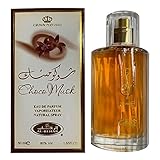
Choco Musk 50ml Eau De Parfum for men and women | Chocolate Musk by Jannat Aromas
17% Off
Christina Aguilera Signature Eau de Parfum (50ml) Floral, Fruity & Exotic Scent, Luxury Fragrance for Women
9% Off
Calvin Klein - Eau De Toilette CKIN2U - Calvin Klein Women, Ladies Perfume, Women's Perfume, Calvin Klein Perfume, Calvin Klein One - 150 ml
5% Off
Jimmy Choo Flash Eau de Parfum, 60 ml (Pack of 1)
3% Off
Fruit of the Loom Men's Heavy T Shirt, White, XL UK
28% Off
ATNKE LED Lighted Beanie Cap,USB Rechargeable Running Hat Ultra Bright 4 LED Waterproof Light Winter Warm Gifts for Men and Women/Pink
17% Off
Men's 1/4 Zip Pullover UK Sale Clearance, Fleece Sweatshirt Casual Jumper Long Sleeve T-shirt Top Stand Collar Sweater Plain Pullover Sports Leisure Workwear Quarter Zip Sweater Lightweight Jumpers
£5.88 (as of 11/11/2025 23:52 GMT +00:00 - More infoProduct prices and availability are accurate as of the date/time indicated and are subject to change. Any price and availability information displayed on [relevant Amazon Site(s), as applicable] at the time of purchase will apply to the purchase of this product.)
Crevice Cleaning Brush, Bathroom Tile Groove Gap Cleaning Brush,Premium Crevice Cleaning Tool Aluminum Support with 15° Angle Magic Brush, Thin Brush for Home Kitchen
19% Off
Wireless Earbuds, Bluetooth 5.3 Headphones in Ear with HiFi Stereo Deep Bass, 4 ENC Noise Cancelling Mic Wireless Earphones 40H Playtime, Bluetooth Earbuds Dual LED Display, IP7 Waterproof, USB-C
42% Off