 [


Statins are commonly prescribed to manage high cholesterol in people up to age 75 and are known to reduce the risk of heart attack and stroke.
But until now, it was unclear whether they were effective in older people.
New research from Monash University, published in the New England Journal of Medicine and presented concurrently at the European Society of Cardiology Congress 2026, found that statin therapy decreased the risk of a first major cardiovascular event by 30% for independently living adults older than 70.
The Statins in Reducing Events in the Elderly (STAREE) Trial is the first randomized controlled trial of statin therapy to examine whether the drugs could help older people who have historically been overlooked in clinical trials.
This landmark 10-year trial analyzed the cardiovascular outcomes of nearly 10,000 participants while they took either a statin or a placebo.
Lead researcher Adjunct Professor Sophia Zoungas, from the Monash School of Public Health and Preventive Medicine, said the findings will change the way clinicians manage cardiovascular risk in older people.
“What we hope to see, now that we have provided such strong evidence, are updated treatment guidelines to help clinicians make use of this new finding,” Professor Zoungas said.
The global prevalence of cardiovascular disease is expected to almost double from 600 million in 2025 to more than 1 billion affected adults in 2050.
An estimated 21,000 older Australians experience major cardiovascular events, like heart attacks and strokes, each year.
The risk increases with age, so people older than 70 are automatically in a high-risk category regardless of lifestyle or other factors.
“The risk of heart attack and stroke is a major concern for older people,” Professor Zoungas said.
“Knowing there is a safe and effective measure for lowering that risk will be a huge reassurance to older people and their families.
“Anyone who has seen a loved one impacted by cardiovascular disease will know just how important prevention is.”
Co-author Professor Mark Nelson, a prominent general practitioner, adjunct professor at the Monash School of Public Health and Preventive Medicine and research fellow at Menzies Institute for Medical Research at the University of Tasmania, said this is critical evidence to support GPs in their decision-making around cardiovascular health in older people.
“This was a particularly important trial because it was conducted in the community, with more than 3,400 GPs taking part across Australia,” Professor Nelson said.
“In light of this new evidence, older patients should have a conversation with their GP about whether statins are an appropriate treatment for their cardiovascular health to help them remain fit and healthy.”
The STAREE trial is one of the largest cardiovascular disease prevention trials ever conducted in older people, placing Australia at the global forefront of healthy aging research.
“With the world’s population aging at an unprecedented rate, answering fundamental questions about healthy longevity has become a universal imperative,” Professor Zoungas said.
“STAREE stands as a benchmark for international clinical trials that can directly inform preventive care worldwide.”
Professor Derek Chew, chief scientific and medical officer at the National Heart Foundation of Australia, which contributed funding to the trial, welcomed the results.
“For several decades now, statins have played a major role in reducing cardiovascular events,” Professor Chew said. “This study shows that they can do so even when started much later in life.”
Publication details
Sophia Zoungas et al, Atorvastatin, Cardiovascular Events, and Disability-free Survival in Older Adults, New England Journal of Medicine (2026). DOI: 10.1056/nejmoa2607314
Journal information:
New England Journal of Medicine
Key medical concepts
Who’s behind this story?

Citation:
Statins cut first heart attack and stroke risk 30% after age 70 (2026, August 30)
retrieved 30 August 2026
from https://medicalxpress.com/news/2026-08-statins-heart-age.html
This document is subject to copyright. Apart from any fair dealing for the purpose of private study or research, no
part may be reproduced without the written permission. The content is provided for information purposes only.

Khamrah by Lattafa for Men - 3.4 oz EDP Spray
4% Off
Ghost Sweetheart Eau de Toilette | Pineapple, Jasmine and Sandalwood | Perfume for Women 50 ml
50% Off
Marc Jacobs Dot Eau De Parfum for Women, 100 ml
42% Off
Ted Baker W Eau de Toilette for Her, Fig Leaf, White Peony and Violet Top Notes, Pink Orchid and Raspberry Middle Notes, 75ml
£11.77 (£15.69 / 100 ml) (as of 06/11/2026 05:40 GMT +00:00 - More infoProduct prices and availability are accurate as of the date/time indicated and are subject to change. Any price and availability information displayed on [relevant Amazon Site(s), as applicable] at the time of purchase will apply to the purchase of this product.)
Ted Baker Woman Pink Eau de Toilette Spray Floral Green Feminine Fragrance, Opening Notes are Fresh Peach, Bergamot and Tangerine with Warm Musk, Vanilla and Vetiver Base, 100ml
11% Off
Vera Wang Princess Eau de Toilette - 30 ml
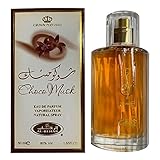
Choco Musk 50ml Eau De Parfum for men and women | Chocolate Musk by Jannat Aromas
17% Off
Christina Aguilera Signature Eau de Parfum (50ml) Floral, Fruity & Exotic Scent, Luxury Fragrance for Women
9% Off
Calvin Klein - Eau De Toilette CKIN2U - Calvin Klein Women, Ladies Perfume, Women's Perfume, Calvin Klein Perfume, Calvin Klein One - 150 ml
5% Off
Jimmy Choo Flash Eau de Parfum, 60 ml (Pack of 1)
3% Off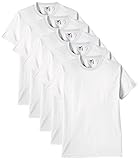
Fruit of the Loom Men's Heavy T Shirt, White, XL UK
28% Off
ATNKE LED Lighted Beanie Cap,USB Rechargeable Running Hat Ultra Bright 4 LED Waterproof Light Winter Warm Gifts for Men and Women/Pink
17% Off
Men's 1/4 Zip Pullover UK Sale Clearance, Fleece Sweatshirt Casual Jumper Long Sleeve T-shirt Top Stand Collar Sweater Plain Pullover Sports Leisure Workwear Quarter Zip Sweater Lightweight Jumpers
£5.88 (as of 11/11/2025 23:52 GMT +00:00 - More infoProduct prices and availability are accurate as of the date/time indicated and are subject to change. Any price and availability information displayed on [relevant Amazon Site(s), as applicable] at the time of purchase will apply to the purchase of this product.)
Crevice Cleaning Brush, Bathroom Tile Groove Gap Cleaning Brush,Premium Crevice Cleaning Tool Aluminum Support with 15° Angle Magic Brush, Thin Brush for Home Kitchen
19% Off
Wireless Earbuds, Bluetooth 5.3 Headphones in Ear with HiFi Stereo Deep Bass, 4 ENC Noise Cancelling Mic Wireless Earphones 40H Playtime, Bluetooth Earbuds Dual LED Display, IP7 Waterproof, USB-C
42% Off


