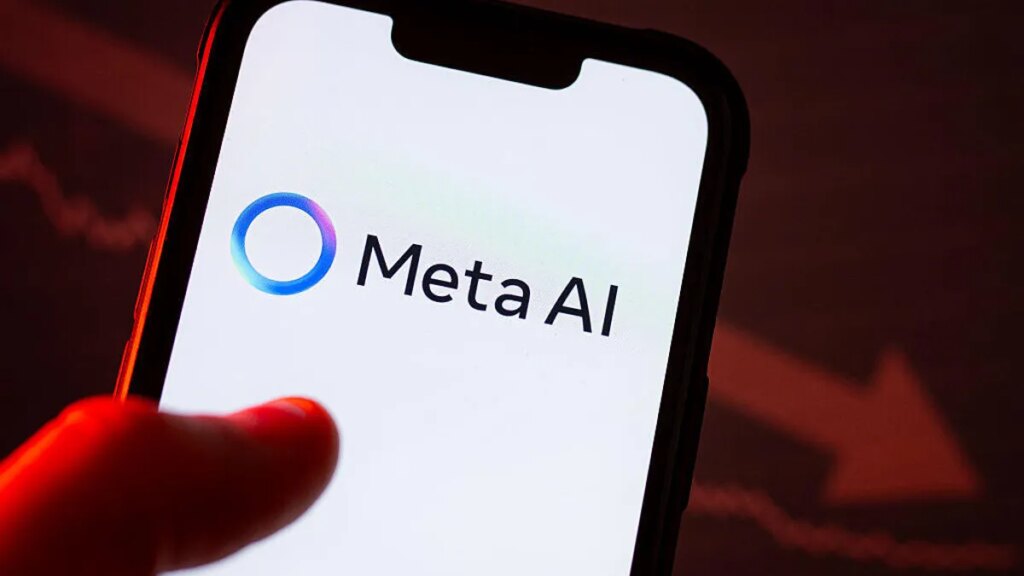
Meta will track its employees’ keystrokes, clicks and mouse movements — and even capture screenshots of what’s on their computer screens — to help train the company’s AI models. That’s according to a Reuters report on Tuesday, citing an internal memo sent to workers.
According to the memo, Meta will install a new software program called the Model Capability Initiative on the computers of US-based employees and contractors. The tracking software will operate on work-related apps and websites and is part of Meta’s plan to build AI agents that can do tasks autonomously.
The announcement, published in its entirety by Business Insider, said that monitored apps and URLs would include Gmail, GChat and Metamate, an employee AI assistant. Workers’ phones would not be included in the tracking.
Business Insider reported that Meta employees were “up in arms” about the plan to use tracking software.
On an internal communications website seen by the news outlet, one employee wrote, “This makes me super uncomfortable. How do we opt out?”
Meta CTO Andrew Bosworth responded, “There is no way to opt out on your work laptop,” prompting staff to react with shocked, crying and angry emoji, according to Business Insider.
As it invests in AI development — more than $135 billion this year — Meta continues to reduce headcount. The company plans to lay off about 8,000 employees, 10% of its workforce of 79,000, starting May 20. The company reportedly has cut 25,000 jobs since 2022.
Meta’s AI surveillance
Meta wants to train its AI on tasks it cannot yet replicate, focusing on how people actually use their computers. This includes such actions as selecting options from dropdown menus and using keyboard shortcuts.
“This is where all Meta employees can help our models get better simply by doing their daily work,” the memo said.
Reuters said the memo was posted by an unidentified AI research scientist on Tuesday in a channel for the company’s Superintelligence Labs team.
According to Reuters, Bosworth told employees that the long-term vision was for AI agents to “do the work” while employees direct them and help them improve. He did not specifically say how the agents would be trained with the data, but did say that Meta would rigorously gather data “for all the types of interactions we have as we go about our work.”
Eric Null, director of the Privacy and Data Project at the digital rights organization Center for Democracy & Technology, said Meta’s plan to track employee computer interactions is one of the most “invasive” forms of workplace surveillance.
“That invasiveness underscores the need for clear privacy protections and AI guardrails,” Null told CNET. “This type of surveillance can cause real harm to people with disabilities, and workers in general chafe at this kind of tracking. Using this data for AI training in particular has the potential to replicate structural biases.”
In a statement given to CNET, a Meta spokesperson said that tracking employees is intended to give AI models “real examples” of how people interact with their computers.
“To help, we’re launching an internal tool that will capture these kinds of inputs on certain applications to help us train our models,” the spokesperson said. “There are safeguards in place to protect sensitive content, and the data is not used for any other purpose.”
Meta said it would not use the collected data in performance reviews and that managers would not be able to see it.
Business Insider cited an unnamed source saying that, when hired, employees are told their work devices can be monitored by Meta.
Bad optics
Bill Howe, associate professor at the University of Washington’s Information School, said that, despite the bad optics, Meta assumes it can extract a lot of value from harvesting data from employees’ computer interactions.
“Employees everywhere are helping to train the systems that will take their jobs,” Howe told CNET.
Meta appeared to raise its standing in the AI race earlier this month when it unveiled Muse Spark, the first AI model developed by its Superintelligence Labs. This week, Meta also broke ground on its planned data center in Tulsa, Oklahoma, which, when completed, will be the company’s 28th in the US.
Howe said that the federal government should pass new tax laws to “counteract the runaway inequity that is emerging,” as multibillion-dollar tech companies continue boosting profits for investors while cutting down on staff.
“As Meta is demonstrating, companies ultimately are not incentivized to care about workers, so we need solutions at the federal level,” Howe said.

Khamrah by Lattafa for Men - 3.4 oz EDP Spray
4% Off
Ghost Sweetheart Eau de Toilette | Pineapple, Jasmine and Sandalwood | Perfume for Women 50 ml
50% Off
Marc Jacobs Dot Eau De Parfum for Women, 100 ml
42% Off
Ted Baker W Eau de Toilette for Her, Fig Leaf, White Peony and Violet Top Notes, Pink Orchid and Raspberry Middle Notes, 75ml
£11.77 (£15.69 / 100 ml) (as of 16/07/2026 03:58 GMT +01:00 - More infoProduct prices and availability are accurate as of the date/time indicated and are subject to change. Any price and availability information displayed on [relevant Amazon Site(s), as applicable] at the time of purchase will apply to the purchase of this product.)
Ted Baker Woman Pink Eau de Toilette Spray Floral Green Feminine Fragrance, Opening Notes are Fresh Peach, Bergamot and Tangerine with Warm Musk, Vanilla and Vetiver Base, 100ml
11% Off
Vera Wang Princess Eau de Toilette - 30 ml

Choco Musk 50ml Eau De Parfum for men and women | Chocolate Musk by Jannat Aromas
17% Off
Christina Aguilera Signature Eau de Parfum (50ml) Floral, Fruity & Exotic Scent, Luxury Fragrance for Women
9% Off
Calvin Klein - Eau De Toilette CKIN2U - Calvin Klein Women, Ladies Perfume, Women's Perfume, Calvin Klein Perfume, Calvin Klein One - 150 ml
5% Off
Jimmy Choo Flash Eau de Parfum, 60 ml (Pack of 1)
3% Off
Fruit of the Loom Men's Heavy T Shirt, White, XL UK
28% Off
ATNKE LED Lighted Beanie Cap,USB Rechargeable Running Hat Ultra Bright 4 LED Waterproof Light Winter Warm Gifts for Men and Women/Pink
17% Off
Men's 1/4 Zip Pullover UK Sale Clearance, Fleece Sweatshirt Casual Jumper Long Sleeve T-shirt Top Stand Collar Sweater Plain Pullover Sports Leisure Workwear Quarter Zip Sweater Lightweight Jumpers
£5.88 (as of 12/11/2025 00:52 GMT +01:00 - More infoProduct prices and availability are accurate as of the date/time indicated and are subject to change. Any price and availability information displayed on [relevant Amazon Site(s), as applicable] at the time of purchase will apply to the purchase of this product.)
Crevice Cleaning Brush, Bathroom Tile Groove Gap Cleaning Brush,Premium Crevice Cleaning Tool Aluminum Support with 15° Angle Magic Brush, Thin Brush for Home Kitchen
19% Off
Wireless Earbuds, Bluetooth 5.3 Headphones in Ear with HiFi Stereo Deep Bass, 4 ENC Noise Cancelling Mic Wireless Earphones 40H Playtime, Bluetooth Earbuds Dual LED Display, IP7 Waterproof, USB-C
42% Off