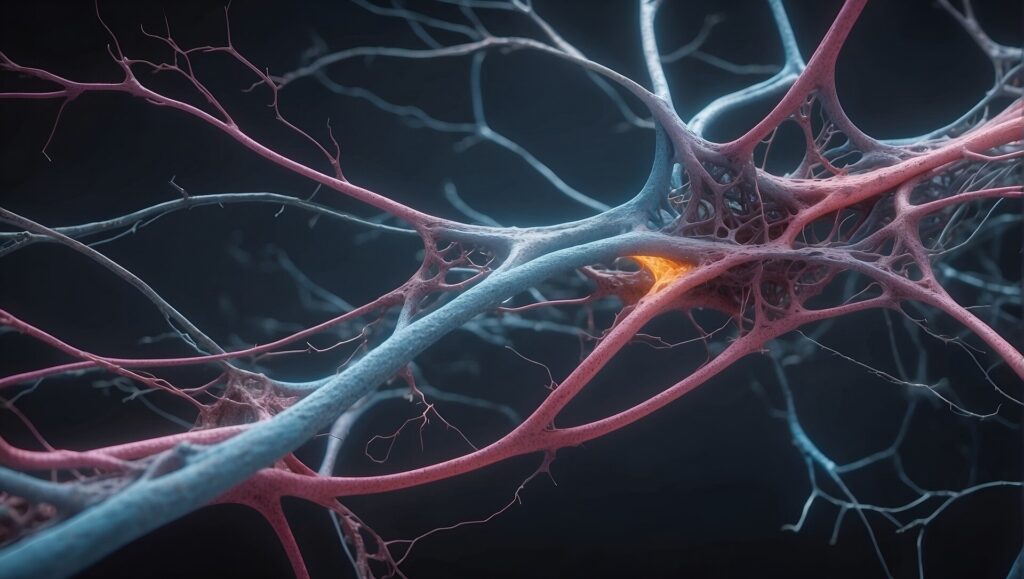
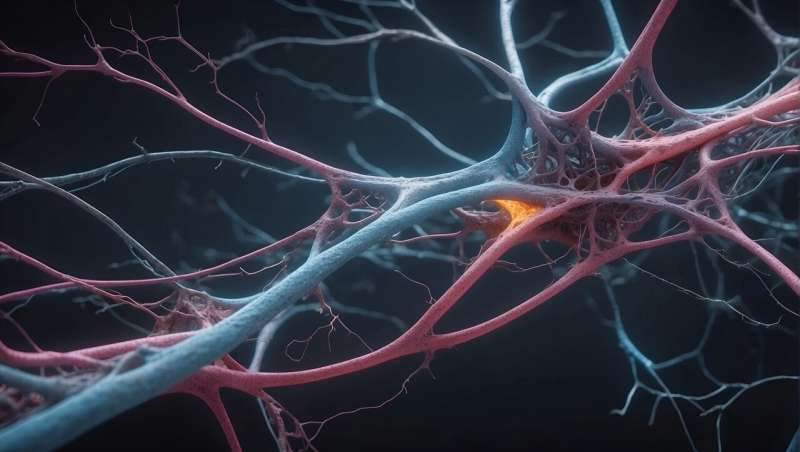
Neurological disorders, such as trauma, stroke, epilepsy, and various neurodegenerative diseases, often lead to the permanent loss of neurons, causing significant impairments in brain function. Current treatment options are limited, primarily due to the challenge of replacing lost neurons.
Direct neuronal reprogramming, a complex procedure that involves changing the function of one type of cell into another, offers a promising strategy.
In cell culture and in living organisms, glial cells—the non-neuronal cells in the central nervous system—have been successfully transformed into functional neurons. However, the processes involved in this reprogramming are complex and require further understanding. This complexity presents a challenge, but also a motivation, for researchers in the field of neuroscience and regenerative medicine.
Modifications in the epigenome
Two teams, one led by Magdalena Götz, Chair of Physiological Genomics at LMU, Head of the Stem Cell Center Department at Helmholtz Munich, and researcher in the SyNergy Cluster of Excellence, and the other led by Boyan Bonev at the Helmholtz Pioneer Campus, explored the molecular mechanisms at play when glial cells are converted to neurons by a single transcription factor.
The findings are published in the journal Nature Neuroscience.
Specifically, the researchers focused on small chemical modifications in the epigenome. The epigenome helps control which genes are active in different cells at different times. For the first time, the teams have now shown how coordinated the epigenome rewiring is, elicited by a single transcription factor.
Using novel methods in epigenome profiling, the researchers identified that a posttranslational modification of the reprogramming neurogenic transcription factor Neurogenin2 profoundly impacts the epigenetic rewiring and neuronal reprogramming. However, the transcription factor alone is not enough to reprogram the glial cells.
In an important discovery, the researchers identified a novel protein, the transcriptional regulator YingYang1, as a key player in this process. YingYang1 is necessary to open up the chromatin for reprogramming, to which end it interacts with the transcription factor.
“The protein YingYang1 is crucial for achieving the conversion from astrocytes to neurons,” explains Götz. “These findings are important to understand and improve reprogramming of glial cells to neurons, and thus bring us closer to therapeutic solutions.”
More information:
Allwyn Pereira et al, Direct neuronal reprogramming of mouse astrocytes is associated with multiscale epigenome remodeling and requires Yy1, Nature Neuroscience (2024). DOI: 10.1038/s41593-024-01677-5
Citation:
Key mechanisms identified for regeneration of neurons (2024, July 4)
retrieved 5 July 2024
from https://medicalxpress.com/news/2024-07-key-mechanisms-regeneration-neurons.html
This document is subject to copyright. Apart from any fair dealing for the purpose of private study or research, no
part may be reproduced without the written permission. The content is provided for information purposes only.

Khamrah by Lattafa for Men - 3.4 oz EDP Spray
4% Off
Ghost Sweetheart Eau de Toilette | Pineapple, Jasmine and Sandalwood | Perfume for Women 50 ml
50% Off
Marc Jacobs Dot Eau De Parfum for Women, 100 ml
42% Off
Ted Baker W Eau de Toilette for Her, Fig Leaf, White Peony and Violet Top Notes, Pink Orchid and Raspberry Middle Notes, 75ml
£11.77 (£15.69 / 100 ml) (as of 31/05/2026 03:24 GMT +01:00 - More infoProduct prices and availability are accurate as of the date/time indicated and are subject to change. Any price and availability information displayed on [relevant Amazon Site(s), as applicable] at the time of purchase will apply to the purchase of this product.)
Ted Baker Woman Pink Eau de Toilette Spray Floral Green Feminine Fragrance, Opening Notes are Fresh Peach, Bergamot and Tangerine with Warm Musk, Vanilla and Vetiver Base, 100ml
11% Off
Vera Wang Princess Eau de Toilette - 30 ml

Choco Musk 50ml Eau De Parfum for men and women | Chocolate Musk by Jannat Aromas
17% Off
Christina Aguilera Signature Eau de Parfum (50ml) Floral, Fruity & Exotic Scent, Luxury Fragrance for Women
9% Off
Calvin Klein - Eau De Toilette CKIN2U - Calvin Klein Women, Ladies Perfume, Women's Perfume, Calvin Klein Perfume, Calvin Klein One - 150 ml
5% Off
Jimmy Choo Flash Eau de Parfum, 60 ml (Pack of 1)
3% Off
Fruit of the Loom Men's Heavy T Shirt, White, XL UK
28% Off
ATNKE LED Lighted Beanie Cap,USB Rechargeable Running Hat Ultra Bright 4 LED Waterproof Light Winter Warm Gifts for Men and Women/Pink
17% Off
Men's 1/4 Zip Pullover UK Sale Clearance, Fleece Sweatshirt Casual Jumper Long Sleeve T-shirt Top Stand Collar Sweater Plain Pullover Sports Leisure Workwear Quarter Zip Sweater Lightweight Jumpers
£5.88 (as of 12/11/2025 00:52 GMT +01:00 - More infoProduct prices and availability are accurate as of the date/time indicated and are subject to change. Any price and availability information displayed on [relevant Amazon Site(s), as applicable] at the time of purchase will apply to the purchase of this product.)
Crevice Cleaning Brush, Bathroom Tile Groove Gap Cleaning Brush,Premium Crevice Cleaning Tool Aluminum Support with 15° Angle Magic Brush, Thin Brush for Home Kitchen
19% Off
Wireless Earbuds, Bluetooth 5.3 Headphones in Ear with HiFi Stereo Deep Bass, 4 ENC Noise Cancelling Mic Wireless Earphones 40H Playtime, Bluetooth Earbuds Dual LED Display, IP7 Waterproof, USB-C
42% Off