
 [


A research team at Huntsman Cancer Institute at the University of Utah (the U) has found that obesity prevents a biological process that kills cancerous cells, revealing a possible reason obesity is a risk factor for breast cancer.
“We uncovered the role of a molecule that normally appears in lean tissue that restrains breast cancer growth but is less present with obesity,” says Keren Hilgendorf, Ph.D., Huntsman Cancer Institute investigator, assistant professor of biochemistry at the U and senior author of the study. “We know obesity is often a driver of breast cancer, and researchers in our field usually consider how obesity is promoting the disease. But we hadn’t really considered that obesity could also be the loss of something that naturally protects us.”
Hilgendorf and first author Meghan Curtin, a doctoral candidate in molecular biology at the U, have published the results of their research in the journal Science.
How fat cells shape risk
Breasts are mostly composed of fat, particularly fat cells called adipocytes. These adipocytes differ depending on a person’s weight and can be lean or obese. In obesity, adipocytes are larger than their lean counterparts. Hilgendorf says the two types of adipocytes generate distinctive microenvironments for cancer cells.
In preclinical models, including breast tissue from donors, Hilgendorf and Curtin found that one key difference is the production of a lipid, or fatty acid, known as 9S-HODE.
9S-HODE plays an important role in promoting cell death, particularly a kind of cell death called ferroptosis. This is one way the body purges old and damaged cells, including cells that could be cancerous.
“We found that the lean adipocytes produce much more 9S-HODE than obese ones. This means that cancerous cells die more readily in lean tissue,” says Curtin. “By producing more 9S-HODE, our bodies are actively protecting us, under lean circumstances, in a way they cannot with obesity.”
Restoring a lost protection
In their preclinical mouse models, Hilgendorf and Curtin found that increasing the amount of 9S-HODE in obese adipocytes suppressed breast cancer tumor growth. They believe this new understanding could lead to better therapies.
“From a clinical perspective, this discovery is incredibly empowering. Because 9S-HODE is naturally present in the body but is lost with obesity, we may be able to restore this protection by putting it back,” says Hilgendorf. “That could become a very feasible therapeutic approach to slow breast cancer growth.”
Hilgendorf and Curtin recognize that obesity is just one factor that contributes to breast cancer and that the disease can develop for other reasons. They also say that 9S-HODE seems to be primarily produced by fat cells in the breast, though other fat cells throughout the body may have a similar protective function that will require more research.
“We believe this shift in the understanding of the roles of lean and obese adipocytes is the start of something. This is just one discovery, and it’s not the end of the road,” says Curtin. “This opened our eyes to new ways to think about science, and hopefully we can harness what our bodies are already doing to make progress against this disease.”
Publication details
Meghan C. Curtin et al, Lean adipocyte oxylipin signaling restrains breast cancer through ferroptosis, Science (2026). DOI: 10.1126/science.aea4287
Journal information:
Science


Citation:
New findings link obesity to loss of natural breast cancer protection (2026, September 11)
retrieved 12 September 2026
from https://medicalxpress.com/news/2026-09-link-obesity-loss-natural-breast.html
This document is subject to copyright. Apart from any fair dealing for the purpose of private study or research, no
part may be reproduced without the written permission. The content is provided for information purposes only.

Khamrah by Lattafa for Men - 3.4 oz EDP Spray
4% Off
Ghost Sweetheart Eau de Toilette | Pineapple, Jasmine and Sandalwood | Perfume for Women 50 ml
50% Off
Marc Jacobs Dot Eau De Parfum for Women, 100 ml
42% Off
Ted Baker W Eau de Toilette for Her, Fig Leaf, White Peony and Violet Top Notes, Pink Orchid and Raspberry Middle Notes, 75ml
£11.77 (£15.69 / 100 ml) (as of 16/10/2026 06:35 GMT +01:00 - More infoProduct prices and availability are accurate as of the date/time indicated and are subject to change. Any price and availability information displayed on [relevant Amazon Site(s), as applicable] at the time of purchase will apply to the purchase of this product.)
Ted Baker Woman Pink Eau de Toilette Spray Floral Green Feminine Fragrance, Opening Notes are Fresh Peach, Bergamot and Tangerine with Warm Musk, Vanilla and Vetiver Base, 100ml
11% Off
Vera Wang Princess Eau de Toilette - 30 ml
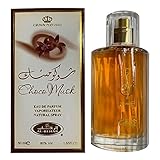
Choco Musk 50ml Eau De Parfum for men and women | Chocolate Musk by Jannat Aromas
17% Off
Christina Aguilera Signature Eau de Parfum (50ml) Floral, Fruity & Exotic Scent, Luxury Fragrance for Women
9% Off
Calvin Klein - Eau De Toilette CKIN2U - Calvin Klein Women, Ladies Perfume, Women's Perfume, Calvin Klein Perfume, Calvin Klein One - 150 ml
5% Off
Jimmy Choo Flash Eau de Parfum, 60 ml (Pack of 1)
3% Off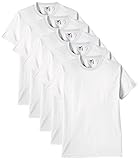
Fruit of the Loom Men's Heavy T Shirt, White, XL UK
28% Off
ATNKE LED Lighted Beanie Cap,USB Rechargeable Running Hat Ultra Bright 4 LED Waterproof Light Winter Warm Gifts for Men and Women/Pink
17% Off
Men's 1/4 Zip Pullover UK Sale Clearance, Fleece Sweatshirt Casual Jumper Long Sleeve T-shirt Top Stand Collar Sweater Plain Pullover Sports Leisure Workwear Quarter Zip Sweater Lightweight Jumpers
£5.88 (as of 12/11/2025 00:52 GMT +01:00 - More infoProduct prices and availability are accurate as of the date/time indicated and are subject to change. Any price and availability information displayed on [relevant Amazon Site(s), as applicable] at the time of purchase will apply to the purchase of this product.)
Crevice Cleaning Brush, Bathroom Tile Groove Gap Cleaning Brush,Premium Crevice Cleaning Tool Aluminum Support with 15° Angle Magic Brush, Thin Brush for Home Kitchen
19% Off
Wireless Earbuds, Bluetooth 5.3 Headphones in Ear with HiFi Stereo Deep Bass, 4 ENC Noise Cancelling Mic Wireless Earphones 40H Playtime, Bluetooth Earbuds Dual LED Display, IP7 Waterproof, USB-C
42% Off