
 [


Bacterial meningitis can cause severe brain damage even when patients receive antibiotic treatment promptly. Researchers at Karolinska Institutet have developed tiny biological vesicles that, in animal studies, were able to capture bacterial toxins, protect neurons, reduce inflammation and delay disease progression. The findings are published in the journal Journal of Extracellular Vesicles.
Pneumococcal meningitis is a life-threatening infectious disease of the central nervous system caused by the bacterium Streptococcus pneumoniae. Despite treatment with antibiotics and anti-inflammatory drugs, around one in three patients are left with long-term neurological complications. According to the researchers, one reason is that antibiotics may take time to reach the brain and do not neutralize pneumolysin, a toxin released by the bacteria that contributes to neuronal damage and inflammation.
In the new study, researchers investigated whether extracellular vesicles, small membrane-bound particles naturally produced by cells, could be used to protect the brain during infection. The vesicles were engineered in different ways, including a version designed to target neurons more efficiently and suppress severe neuroinflammation. They were then tested in laboratory-grown neuronal and brain immune cells, as well as in a preclinical meningitis mouse model.
Extracellular vesicles acting as decoys
The experiments showed that all types of vesicles could bind to and sequester pneumolysin before it damaged neurons. They also reduced the ability of the bacteria to attach to neurons and lowered harmful inflammatory signals in both cell-based experiments and in vivo.
When given through the bloodstream, the vesicles were able to reach the brain in infected mice. Treatment delayed the onset of severe disease and increased survival compared with untreated animals.
The vesicle variant engineered with RVG peptides, which help target neurons in the nervous system, and an IL6-decoy designed to selectively inhibit IL-6 trans-signaling had the strongest neuroprotective and anti-inflammatory effects in both the brain and the rest of the body.
“Our results suggest that the extracellular vesicles act as decoys, capturing pneumolysin before the toxin can reach and damage neurons. Importantly, the same biomaterial also acts as a suppressor of severe and harmful inflammation,” says associate professor Federico Iovino, group leader at the Department of Neuroscience at Karolinska Institutet and last author of the study.
Further studies required
The treatment has not yet been tested together with antibiotics, which are the standard treatment for patients. The researchers therefore stress that further studies are needed before the method can be evaluated in humans.
“We hope that extracellular vesicles could eventually become a complement to current treatments for pneumococcal meningitis, but more research is required before any clinical application can be considered, and this is what my lab is currently working on,” says Iovino.
“These results were possible thanks to the strong collaboration my lab established with the research groups of assistant professor Oscar Wiklander and professor Samir El Andaloussi at the Department of Laboratory Medicine, Karolinska Institutet,” he continues.
More information
Kristine Farmen et al, Bioengineered Extracellular Vesicles Mitigate Neuroinflammation by Neutralizing Pneumolysin and Delaying Disease Onset in Experimental Pneumococcal Meningitis, Journal of Extracellular Vesicles (2026). DOI: 10.1002/jev2.70369
Key medical concepts
Clinical categories


Citation:
Engineered vesicles protect brain from bacterial toxin (2026, September 14)
retrieved 14 September 2026
from https://medicalxpress.com/news/2026-09-vesicles-brain-bacterial-toxin.html
This document is subject to copyright. Apart from any fair dealing for the purpose of private study or research, no
part may be reproduced without the written permission. The content is provided for information purposes only.

Khamrah by Lattafa for Men - 3.4 oz EDP Spray
4% Off
Ghost Sweetheart Eau de Toilette | Pineapple, Jasmine and Sandalwood | Perfume for Women 50 ml
50% Off
Marc Jacobs Dot Eau De Parfum for Women, 100 ml
42% Off
Ted Baker W Eau de Toilette for Her, Fig Leaf, White Peony and Violet Top Notes, Pink Orchid and Raspberry Middle Notes, 75ml
£11.77 (£15.69 / 100 ml) (as of 17/10/2026 06:36 GMT +01:00 - More infoProduct prices and availability are accurate as of the date/time indicated and are subject to change. Any price and availability information displayed on [relevant Amazon Site(s), as applicable] at the time of purchase will apply to the purchase of this product.)
Ted Baker Woman Pink Eau de Toilette Spray Floral Green Feminine Fragrance, Opening Notes are Fresh Peach, Bergamot and Tangerine with Warm Musk, Vanilla and Vetiver Base, 100ml
11% Off
Vera Wang Princess Eau de Toilette - 30 ml
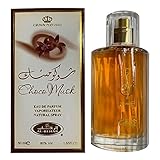
Choco Musk 50ml Eau De Parfum for men and women | Chocolate Musk by Jannat Aromas
17% Off
Christina Aguilera Signature Eau de Parfum (50ml) Floral, Fruity & Exotic Scent, Luxury Fragrance for Women
9% Off
Calvin Klein - Eau De Toilette CKIN2U - Calvin Klein Women, Ladies Perfume, Women's Perfume, Calvin Klein Perfume, Calvin Klein One - 150 ml
5% Off
Jimmy Choo Flash Eau de Parfum, 60 ml (Pack of 1)
3% Off
Fruit of the Loom Men's Heavy T Shirt, White, XL UK
28% Off
ATNKE LED Lighted Beanie Cap,USB Rechargeable Running Hat Ultra Bright 4 LED Waterproof Light Winter Warm Gifts for Men and Women/Pink
17% Off
Men's 1/4 Zip Pullover UK Sale Clearance, Fleece Sweatshirt Casual Jumper Long Sleeve T-shirt Top Stand Collar Sweater Plain Pullover Sports Leisure Workwear Quarter Zip Sweater Lightweight Jumpers
£5.88 (as of 12/11/2025 00:52 GMT +01:00 - More infoProduct prices and availability are accurate as of the date/time indicated and are subject to change. Any price and availability information displayed on [relevant Amazon Site(s), as applicable] at the time of purchase will apply to the purchase of this product.)
Crevice Cleaning Brush, Bathroom Tile Groove Gap Cleaning Brush,Premium Crevice Cleaning Tool Aluminum Support with 15° Angle Magic Brush, Thin Brush for Home Kitchen
19% Off
Wireless Earbuds, Bluetooth 5.3 Headphones in Ear with HiFi Stereo Deep Bass, 4 ENC Noise Cancelling Mic Wireless Earphones 40H Playtime, Bluetooth Earbuds Dual LED Display, IP7 Waterproof, USB-C
42% Off