
 [


New research from Edith Cowan University (ECU) has found that Australians broadly support voluntary assisted dying (VAD) as an end-of-life choice, but most believe access should remain limited to people experiencing terminal illness or a significantly reduced quality of life.
The research surveyed 704 Australian adults and is believed to be the first large-scale study investigating public attitudes toward VAD. Researchers investigated what people think about VAD regardless of age or health status—that is, beyond the endorsed eligibility criteria—and whether views differ depending on factors such as background, personal experiences and life stage.
Associate Professor Eyal Gringart said the research began in 2021 as interest in VAD grew and legislation was introduced across Australia.
“The project was inspired by conversations about end-of-life choices occurring across the country at a time when VAD legislation was progressing through different states and territories,” Gringart said. “Our earlier qualitative research explored older adults’ views of VAD. This study built on that work by developing a survey that examined attitudes across the broader Australian community.”
The study, now published in OMEGA—Journal of Death and Dying, found that many Australians viewed VAD as a fundamental human right and wanted the option to be available should their quality of life deteriorate significantly. However, support was conditional. Participants generally supported current eligibility criteria and opposed extending access to people on the grounds of mental illness or to those who wished to end their lives regardless of their health status.
The research also found that Australians would like more conversations about end-of-life choices and place a high value on dignity and personal choice when considering care at the end of life.
“People told us they want more discussion about end-of-life options,” Gringart said. “Many saw VAD as a form of reassurance, knowing the option would be available if they were facing an incurable illness or severe decline in their quality of life. At the same time, they were thoughtful and cautious about who should be eligible.”
The study identified religious affiliation as the strongest factor associated with lower levels of support for VAD, while women and people with previous experience of euthanasia or VAD were generally more supportive.
One finding that surprised the researchers was that respondents with higher levels of education were somewhat less permissive toward VAD than previous studies had suggested.
More information
Eyal Gringart et al, Community Attitudes Towards Voluntary Assisted Dying: Beyond Endorsed Eligibilities, OMEGA—Journal of Death and Dying (2026). DOI: 10.1177/00302228261475233
Clinical categories


Citation:
Australians support voluntary assisted dying, but with clear limits (2026, September 16)
retrieved 16 September 2026
from https://medicalxpress.com/news/2026-09-australians-voluntary-dying-limits.html
This document is subject to copyright. Apart from any fair dealing for the purpose of private study or research, no
part may be reproduced without the written permission. The content is provided for information purposes only.

Khamrah by Lattafa for Men - 3.4 oz EDP Spray
4% Off
Ghost Sweetheart Eau de Toilette | Pineapple, Jasmine and Sandalwood | Perfume for Women 50 ml
50% Off
Marc Jacobs Dot Eau De Parfum for Women, 100 ml
42% Off
Ted Baker W Eau de Toilette for Her, Fig Leaf, White Peony and Violet Top Notes, Pink Orchid and Raspberry Middle Notes, 75ml
£11.77 (£15.69 / 100 ml) (as of 17/10/2026 06:36 GMT +01:00 - More infoProduct prices and availability are accurate as of the date/time indicated and are subject to change. Any price and availability information displayed on [relevant Amazon Site(s), as applicable] at the time of purchase will apply to the purchase of this product.)
Ted Baker Woman Pink Eau de Toilette Spray Floral Green Feminine Fragrance, Opening Notes are Fresh Peach, Bergamot and Tangerine with Warm Musk, Vanilla and Vetiver Base, 100ml
11% Off
Vera Wang Princess Eau de Toilette - 30 ml
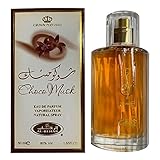
Choco Musk 50ml Eau De Parfum for men and women | Chocolate Musk by Jannat Aromas
17% Off
Christina Aguilera Signature Eau de Parfum (50ml) Floral, Fruity & Exotic Scent, Luxury Fragrance for Women
9% Off
Calvin Klein - Eau De Toilette CKIN2U - Calvin Klein Women, Ladies Perfume, Women's Perfume, Calvin Klein Perfume, Calvin Klein One - 150 ml
5% Off
Jimmy Choo Flash Eau de Parfum, 60 ml (Pack of 1)
3% Off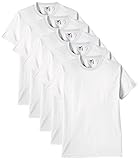
Fruit of the Loom Men's Heavy T Shirt, White, XL UK
28% Off
ATNKE LED Lighted Beanie Cap,USB Rechargeable Running Hat Ultra Bright 4 LED Waterproof Light Winter Warm Gifts for Men and Women/Pink
17% Off
Men's 1/4 Zip Pullover UK Sale Clearance, Fleece Sweatshirt Casual Jumper Long Sleeve T-shirt Top Stand Collar Sweater Plain Pullover Sports Leisure Workwear Quarter Zip Sweater Lightweight Jumpers
£5.88 (as of 12/11/2025 00:52 GMT +01:00 - More infoProduct prices and availability are accurate as of the date/time indicated and are subject to change. Any price and availability information displayed on [relevant Amazon Site(s), as applicable] at the time of purchase will apply to the purchase of this product.)
Crevice Cleaning Brush, Bathroom Tile Groove Gap Cleaning Brush,Premium Crevice Cleaning Tool Aluminum Support with 15° Angle Magic Brush, Thin Brush for Home Kitchen
19% Off
Wireless Earbuds, Bluetooth 5.3 Headphones in Ear with HiFi Stereo Deep Bass, 4 ENC Noise Cancelling Mic Wireless Earphones 40H Playtime, Bluetooth Earbuds Dual LED Display, IP7 Waterproof, USB-C
42% Off